Jun 26, 2026Private Label & OEM Manufacturing
How to Choose the Right Supplement OEM Manufacturer for Your Brand
Choose a supplement OEM manufacturer with GMP production, custom formulas, QC, flexible MOQ, and private label support.
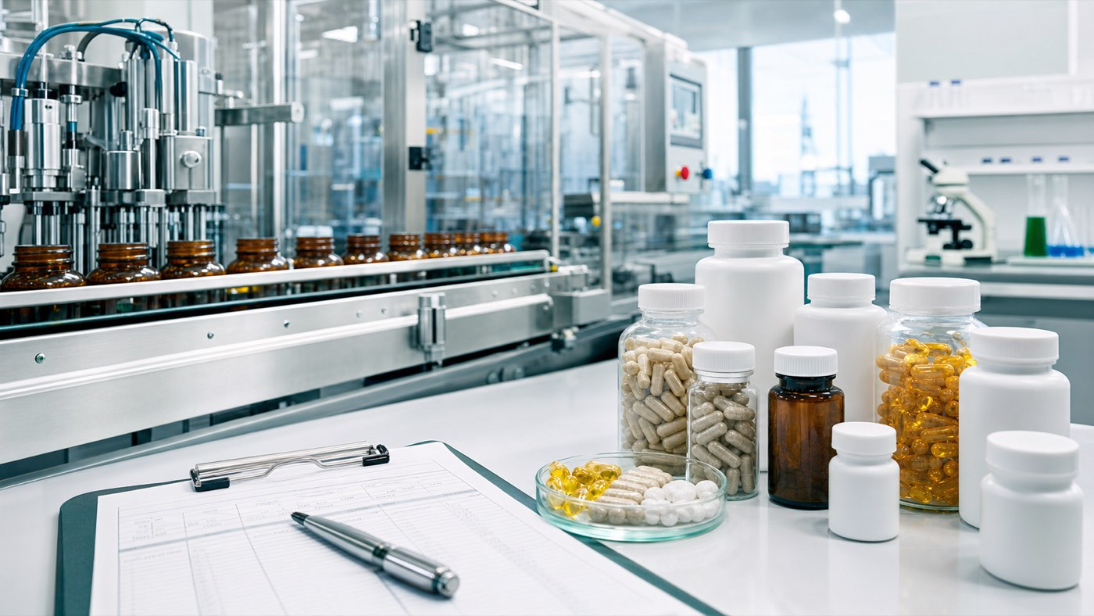
The global dietary supplement market continues to grow, but competition is also becoming more professional. Brands, importers, distributors, and e-commerce sellers are expected to launch products that look credible, remain consistent from batch to batch, and meet the quality expectations of their target market. For B2B buyers, supplement OEM manufacturer is therefore not only a sourcing topic but a strategic operating decision.
Many companies begin with a product idea, a category opportunity, or a private label plan, but they may not have their own factory, formulation team, packaging resources, or quality control system. This is where a reliable OEM/ODM partner becomes important. The manufacturer helps connect product positioning with formula feasibility, production planning, testing, packaging, and shipment preparation.
This article explains the key manufacturing considerations behind supplement OEM manufacturer. It is written for supplement brand owners and purchasing managers who need practical guidance before starting production or selecting a long-term manufacturing partner.
Industry and Product Overview
A supplement OEM manufacturer produces finished dietary supplements for brand owners according to defined formula, dosage form, packaging, and market requirements. For many brands, OEM cooperation is more practical than building an in-house facility because the manufacturer already has production equipment, trained operators, technical staff, quality systems, and packaging resources.
The right manufacturer should be evaluated as a long-term operating partner, not only as a unit-price supplier. A capable partner can help confirm product feasibility, manage raw materials, prepare samples, execute production, perform batch testing, and support export documentation. This is especially important for brands selling through retail, distributors, Amazon, or cross-border e-commerce channels.
For B2B customers, the goal is not only to purchase a product, but to build a repeatable supply system. The manufacturer should understand product positioning, quality expectations, packaging requirements, target market needs, and the commercial pressure of launch dates. When these factors are aligned early, the project is easier to manage and the finished product is more consistent.
Clear communication is also part of manufacturing value. Before production begins, the brand and manufacturer should confirm the formula brief, sample approval process, artwork responsibility, testing scope, packaging specification, payment terms, shipment plan, and reorder expectations. This reduces avoidable changes during production and helps both sides manage cost, quality, and timing with fewer surprises.
Manufacturing Process
Project Requirement Confirmation
Requirement confirmation starts with dosage form, formula direction, target market, packaging plan, order quantity, and launch timeline. Clear requirements help the factory estimate MOQ, production feasibility, testing needs, and lead time before the project moves forward.
Formula Development and Sampling
Formula development may include ingredient selection, dosage level review, excipient choice, flavor adjustment, capsule size evaluation, or gummy texture trials. For private label products, the manufacturer may offer existing formulas that can be adapted with branding and packaging.
Raw Material Sourcing
Raw material sourcing affects product quality, cost, stability, and lead time. A professional manufacturer should review ingredient specifications, supplier documents, availability, and suitability for the intended dosage form. For botanical extracts, probiotics, amino acids, minerals, oils, and specialty branded ingredients, early sourcing review can prevent delays later in the project.
Production Process and Packaging
Production planning should match the product format. Capsules require blending and encapsulation, tablets may require granulation and compression, gummies require cooking and depositing, powders need uniform blending and filling, and softgels require specialized filling and drying systems.
Packaging is part of the manufacturing solution. Bottle filling, label application, carton packing, sachet filling, pouch packing, and shipping carton preparation should be controlled so that the finished goods are ready for the customer's sales channel.
Quality Control and Compliance
Raw Material Inspection
Quality control begins before production. Incoming materials should be checked against specifications and supplier documents. Depending on the ingredient and destination market, testing may include identity, appearance, moisture, microbial limits, heavy metals, assay, or other product-specific checks.
In-Process Quality Control
During production, in-process checks help confirm that the batch remains within specification. These checks may include blend uniformity, fill weight, capsule appearance, tablet hardness, gummy weight, powder flow, seal integrity, label accuracy, and packaging count. Early detection reduces the chance of finished product rejection.
Finished Product Testing and Documentation
When selecting a manufacturer, brands should review GMP production systems, batch records, raw material controls, cleaning procedures, equipment maintenance, and finished product testing. These controls reduce the risk of inconsistent products, delayed shipments, or failed quality review.
Useful documentation may include certificates of analysis, raw material specifications, production records, inspection reports, stability information where available, and packaging confirmation records. Strong documentation gives importers and purchasing managers greater confidence in repeat orders.
GMP Compliance
GMP compliance provides the operating framework for personnel hygiene, equipment cleaning, production records, material control, traceability, deviation handling, and batch release. For supplement brands, GMP systems help build customer trust and support more stable long-term cooperation.
OEM/ODM Manufacturing Advantages
Custom Formulation
Custom formulation allows brands to create products that match their audience and positioning. The manufacturer can help evaluate active ingredients, excipients, flavor direction, serving size, capsule type, tablet shape, gummy texture, powder solubility, and packaging compatibility.
Private Label Services
Private label services help brands launch faster by using existing formulas and established production procedures. The customer can focus on branding, sales channels, and market entry while the manufacturer handles production, testing, and packaging execution.
Packaging Customization
Packaging customization may include bottle size, cap color, label material, carton structure, pouch format, sachets, jars, desiccants, and display packaging. Good packaging choices balance brand appearance, product protection, MOQ, cost, and shipping efficiency.
Flexible MOQ and Export Experience
A strong OEM/ODM partner supports custom formulation, private label services, packaging customization, flexible MOQ discussion, and export coordination. These services allow brands to build differentiated products while reducing the complexity of operating their own factory.
Long-term cooperation also improves forecasting. When a manufacturer understands the brand standard, it can reserve capacity, plan raw materials, and help the customer expand from one product to a broader product line.
Common Mistakes When Selecting Supplement Suppliers
Many brands compare suppliers only by unit price. A low quote can become expensive when it causes failed testing, poor packaging execution, unstable appearance, or late delivery. Buyers should compare capability, communication, quality control, and documentation together with price.
Another common mistake is choosing a supplier without confirming dosage-form strength. A factory that is strong in capsules may not be equally strong in gummies or softgels. The supplier should have relevant equipment, trained teams, and previous project experience for the exact product type.
Product Solutions
Different brands need different manufacturing solutions depending on market position, sales channel, budget, and launch timeline. Practical product examples include:
- Private label vitamin capsules for e-commerce launches
- Custom gummy supplements for beauty, sleep, and daily wellness brands
- Sports nutrition powders with customized flavor systems
- Softgel supplements for oil-based ingredients
- Tablet supplements for minerals and multivitamins
The best solution should connect product concept with production feasibility. A professional manufacturer helps the brand choose a dosage form, formula direction, packaging structure, and testing plan that can support repeat orders and long-term growth.
FAQ
What is the typical MOQ for this type of supplement project?
MOQ depends on dosage form, formula complexity, packaging materials, and production setup. Standard private label capsules or tablets may be more flexible, while gummies, powders, softgels, and custom packaging may require higher quantities. A manufacturer should explain the MOQ based on real production factors.
How long does production usually take?
Lead time depends on formula approval, sampling, raw material sourcing, packaging production, factory scheduling, finished product testing, and shipment preparation. Private label products are usually faster than fully customized formulas.
Can the formula be customized?
Yes. A qualified OEM/ODM manufacturer can support custom formulation, ingredient adjustment, flavor development, capsule or tablet selection, gummy texture work, and packaging alignment. The formula should be reviewed for feasibility and market compliance before production.
What certifications should brands ask about?
Brands commonly review GMP systems, quality management procedures, facility registration where applicable, HACCP or ISO-related systems, and product-specific testing capability. The exact requirement depends on the destination market and product category.
Can the manufacturer provide private label services?
Many supplement manufacturers offer private label services including existing formulas, packaging selection, label size guidance, production, testing, and export preparation. This is useful for brands that want to launch faster with lower development complexity.
Related Products
- Private Label Capsule Supplements
- Custom Gummy Supplements
- Private Label Vitamin Tablets
- Sports Nutrition Powder Supplements
- Softgel Supplement OEM Products
Related Articles
- Private Label Supplements: From Product Idea to Market Launch
- Custom Supplement Manufacturing Services for Global Brands
- OEM vs ODM Supplement Manufacturing: What's the Difference?
- How Long Does It Take to Manufacture Custom Supplements?
- Supplement Manufacturing MOQ: What Brands Need to Know
Conclusion
Supplement OEM manufacturer should be planned with a clear understanding of formula requirements, production capability, quality control, packaging, MOQ, lead time, and market expectations. Brands that evaluate these factors early can reduce sourcing risk and create a smoother path from product idea to finished goods.
A reliable OEM/ODM manufacturing partner supports more than production. It helps brands develop practical formulas, manage raw materials, control quality, customize packaging, prepare documentation, and plan repeat orders. If you are preparing a private label or custom supplement project, contact our team to discuss your formula, packaging, MOQ, testing, and production requirements.